
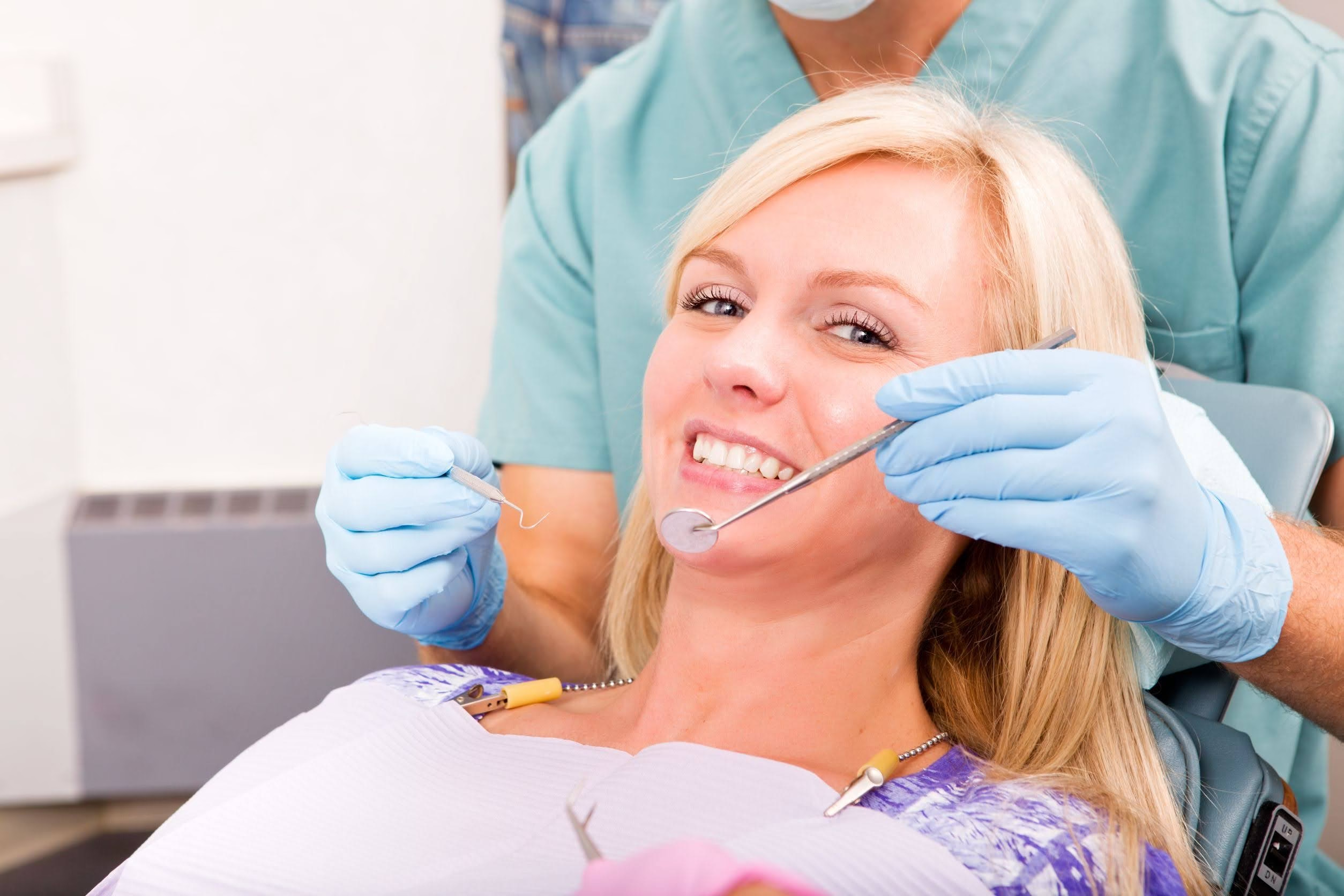
When most people think about straightening their teeth, they focus on the aesthetic benefits. A perfectly aligned smile certainly looks attractive, but the transformation goes far deeper than what meets the eye. The journey to straighter teeth can reshape your health, confidence, and even your professional opportunities in ways you might never have imagined.
The Hidden Health Benefits of Proper Alignment
Your dentist isn’t just concerned about how your teeth look. Straight teeth contribute to better oral health in numerous ways that directly impact your overall well-being. When teeth are properly aligned, they’re significantly easier to clean. Crowded or overlapping teeth create tight spaces where plaque and bacteria accumulate, making thorough brushing and flossing nearly impossible.
These hard-to-reach areas become breeding grounds for tooth decay and gum disease. Misaligned teeth can trap food particles that lead to bacterial growth, inflammation, and eventually more serious periodontal problems. By contrast, straight teeth allow for proper cleaning, reducing your risk of cavities, gum disease, and the need for extensive dental work down the road.
Beyond oral health, the alignment of your teeth affects your entire digestive system. Properly aligned teeth work together efficiently to break down food into smaller, more digestible pieces. When teeth don’t meet correctly, chewing becomes less effective, potentially leading to digestive issues as your stomach works harder to process poorly chewed food.
The Jaw and Joint Connection
Many people don’t realize that crooked teeth often contribute to jaw pain and temporomandibular joint disorders. When your bite is misaligned, certain teeth bear more pressure than others during chewing and speaking. This uneven distribution of force can strain your jaw muscles and joints, leading to headaches, facial pain, and clicking or popping sounds when you open your mouth.
Your dentist can identify these alignment issues before they develop into chronic pain conditions. Straightening your teeth helps distribute bite forces evenly across all your teeth, reducing stress on your jaw joints. Many patients report that long-standing headaches and jaw discomfort disappear after completing orthodontic treatment.
The connection extends to your neck and shoulders as well. Misalignment can cause you to unconsciously adjust your head position or clench your jaw, creating tension that radiates through your upper body. Achieving proper alignment can alleviate this cascade of muscular strain.
Speaking and Breathing Improvements
The position of your teeth plays a crucial role in speech clarity. Certain misalignments can cause lisps, difficulty pronouncing specific sounds, or a general lack of clarity when speaking. Gaps, overbites, or underbites can interfere with how your tongue positions itself against your teeth to form words.
After straightening treatment, many people discover their speech becomes clearer and more confident. This improvement can be particularly transformative for those who have avoided speaking up in meetings or social situations due to self-consciousness about their speech patterns.
Additionally, severe misalignment sometimes contributes to breathing difficulties. When teeth and jaws don’t align properly, they can affect the size and shape of your airway. Some orthodontic treatments can actually help expand the palate and improve breathing, particularly in younger patients whose bones are still developing. Better breathing means better sleep quality, more energy throughout the day, and improved overall health.
The Confidence Factor
Perhaps the most immediate and noticeable transformation occurs in how you feel about yourself. Dental anxiety often stems not just from fear of the dentist, but from embarrassment about the current state of your teeth. When you’re self-conscious about your smile, you hide it. You cover your mouth when laughing, avoid photos, or smile with your lips closed.
This self-consciousness ripples outward, affecting how you interact with the world. You might avoid social situations, feel hesitant during first impressions, or hold back in romantic relationships. The psychological burden of being unhappy with your smile can weigh heavily on your self-esteem and quality of life.
As your teeth gradually straighten, something remarkable happens. You start smiling more freely. That increased confidence shows up in how you carry yourself, how you engage with others, and how you pursue opportunities. The transformation isn’t just physical but emotional and psychological.
Professional and Social Advantages
Whether we like to admit it or not, appearance influences how others perceive us, especially in professional settings. Research has shown that people with straight, healthy-looking teeth are often perceived as more successful, trustworthy, and professional. During job interviews, client meetings, or networking events, your smile makes a powerful first impression.
This doesn’t mean that crooked teeth prevent professional success, but straight teeth can remove one potential barrier to advancement. When you feel confident about your smile, you’re more likely to speak up in meetings, pursue leadership roles, and make memorable connections with colleagues and clients.
The social benefits extend beyond the workplace. Dating becomes easier when you’re not worried about hiding your teeth. Making new friends feels less intimidating. You photograph better and feel more comfortable in front of cameras. These seemingly small advantages accumulate into a significantly improved social experience.
Long-Term Investment in Your Future
Working with your dentist to straighten your teeth represents an investment that pays dividends for decades. Properly aligned teeth typically last longer because they experience less abnormal wear and tear. When teeth don’t fit together correctly, certain teeth can wear down prematurely from excessive grinding or pressure.
Straight teeth also make future dental work easier and more effective. If you eventually need crowns, bridges, or implants, having properly aligned teeth provides a better foundation for these treatments. Your dentist can work more effectively when teeth are in their ideal positions.
The financial implications matter too. By preventing gum disease, tooth decay, and jaw problems through proper alignment, you can avoid costly emergency dental procedures and extensive treatments down the road. The upfront investment in straightening often saves money over a lifetime of dental care.
Taking the First Step
The transformation that comes with straight teeth extends far beyond the surface-level aesthetics of a beautiful smile. From improved health outcomes to enhanced confidence, from better speech to professional advantages, the benefits touch every aspect of life. If you’ve been considering straightening your teeth, schedule a consultation with our dentist to explore your options. The transformation that awaits is about so much more than just your smile.
Frequently Asked Questions
How long does the transformation process typically take?
The timeline varies considerably based on the severity of misalignment and the treatment method chosen. Your dentist will create a customized treatment plan based on your specific needs. Mild cases may see results relatively quickly, while more complex alignment issues require extended treatment periods.
Is it ever too late to straighten your teeth?
Age is rarely a barrier to achieving straighter teeth. While treatment might have been more common among younger patients historically, adults increasingly pursue orthodontic treatment with excellent results. Your dentist can evaluate your oral health and recommend appropriate options regardless of your age.
Will straightening my teeth hurt?
Most patients experience some discomfort during treatment, particularly during the initial adjustment period and after adjustments. However, this discomfort is typically manageable and temporary. Modern techniques have made the process considerably more comfortable than older methods. Your dentist can discuss pain management strategies.
How do I maintain my results after treatment?
Maintaining straight teeth typically requires wearing retainers as directed by your dentist. Proper oral hygiene, regular dental checkups, and avoiding habits that could shift teeth are essential. Following your dentist’s aftercare instructions ensures your investment lasts a lifetime.
Can I still see my regular dentist during treatment?
Absolutely. Regular dental cleanings and checkups remain important throughout orthodontic treatment. Your dentist will work alongside any orthodontic specialist to ensure your overall oral health stays optimal during the straightening process.