
Oral health is a lifelong journey, and what it requires changes considerably from one decade to the next. The care that protects a child’s developing teeth is not the same as what keeps an adult’s bite healthy or what supports a senior’s comfort and function. Recognizing those differences is what allows people at every age to stay ahead of problems rather than simply responding to them.
Dental Care for Children
Children’s dental needs evolve quickly, which means the approach to care has to keep pace with each stage of development.
Early Childhood and the First Teeth
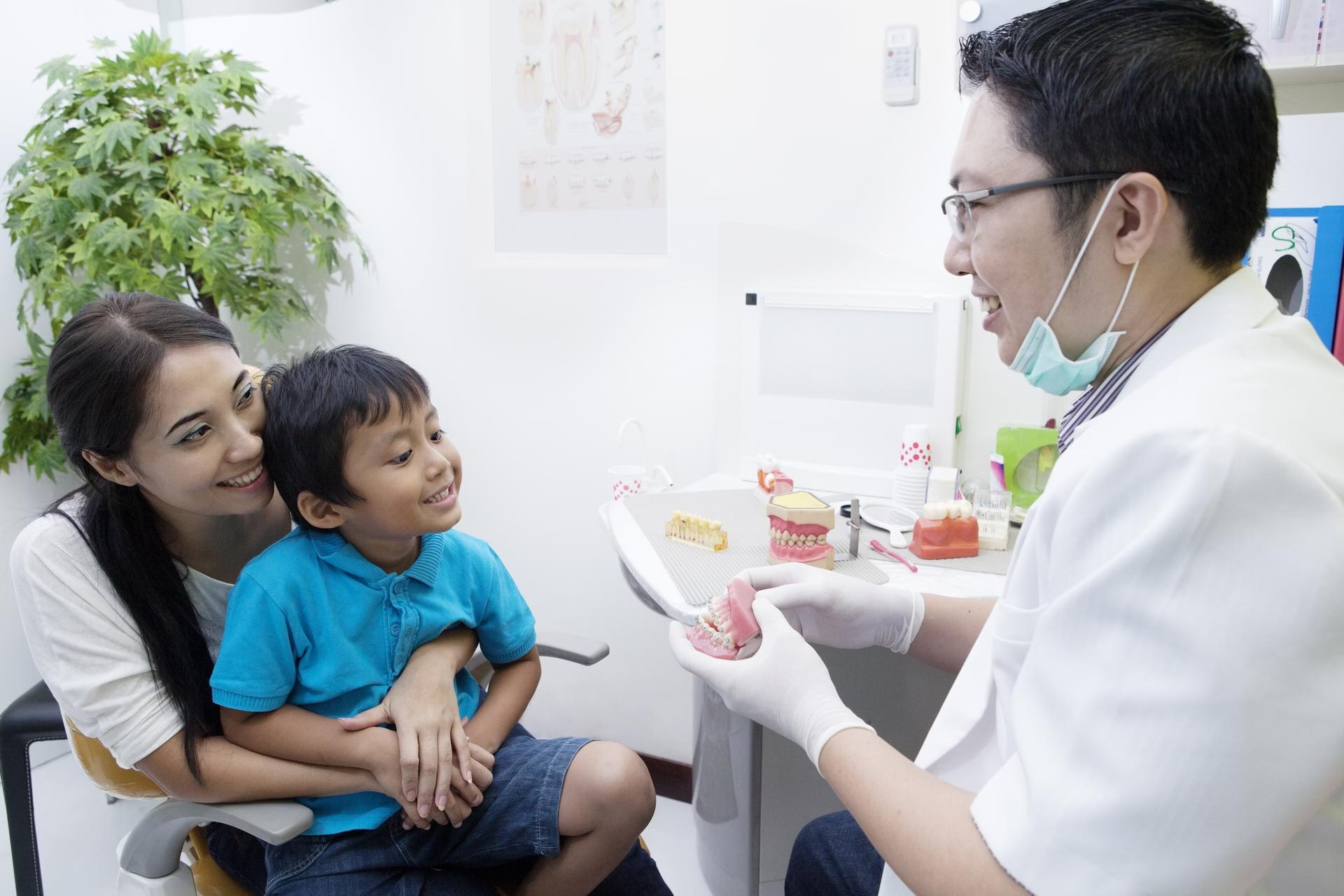
Dental care begins before a child has a full set of teeth. When the first tooth appears, introducing gentle cleaning habits sets the tone for everything that follows. A child’s first dental visit is typically recommended around this same time, well before any obvious problems arise. Those early appointments are designed to build comfort with the dental environment and give parents practical guidance on what to expect as development continues.
Baby teeth matter more than they are sometimes given credit for. They hold space for the permanent teeth that follow, and losing them early to decay can affect how adult teeth eventually come in. Fluoride treatments and sealants are two approaches that help protect these teeth during the years when they are most at risk.
School Age and the Teen Years
As children grow, the focus of dental care shifts. Permanent teeth are arriving, orthodontic development can be tracked, and the habits that will carry into adulthood are being shaped. The teen years in particular bring new variables into the picture. Diet choices and the increased independence that comes with adolescence both affect oral health in ways that regular check-ups help manage, and contact sports add another layer of risk that protective equipment addresses.
Dental Care for Adults
Adult dental care spans a long stretch of life, and the concerns that matter most tend to shift as the decades pass.
Young Adults and Emerging Issues
Wisdom teeth are one of the more common early-adulthood concerns. They do not always cause problems, but they frequently arrive in ways that require attention, and monitoring them with a dentist allows any issues to be addressed before they become urgent. For many young adults, this period also brings a growing interest in cosmetic care, from addressing chips to improving spacing that was not treated earlier in life.
Mid-Life and Ongoing Maintenance
Through the thirties and forties, gum health becomes an increasingly important focus. Gum disease tends to develop and progress quietly, which means it can reach a more advanced stage before any symptoms become obvious. Consistent professional cleaning paired with attentive home care is what keeps it from taking hold.
Restorative work also becomes more common during this period. Older fillings may need attention, and wear from grinding or bite irregularities can affect tooth surfaces over time. Staying on top of regular check-ups makes it possible to address these things easily.
For adults who grind their teeth, often without realizing it, the cumulative effect on enamel can be significant. A night guard or bite adjustment can help reduce that wear and protect the teeth that remain.
Dental Care for Seniors
The oral health picture changes again in the senior years, often shaped by the cumulative effects of ageing as well as the medications many older adults take for other conditions. What distinguishes this stage from earlier ones is that several of the changes happening in the mouth are tied to the body’s broader health rather than to dental habits alone. That connection makes close communication between patients and their care providers especially worthwhile.
Age-Related Changes in the Mouth
Dry mouth is one of the more frequently encountered issues at this stage. It is usually a side effect of medication rather than a direct consequence of ageing, but its impact on oral health is real. Saliva keeps the mouth’s environment balanced and protective, and when production drops, the risk of decay and gum deterioration increases. Managing this is an ongoing part of care for many older patients.
Gum recession is another concern that tends to develop over time. As the gum line recedes, tooth roots become exposed and more susceptible to sensitivity and decay. Regular monitoring makes it possible to catch these changes early and respond before they become more complicated to address.
Tooth Replacement and Comfort
For patients who have lost teeth, the options available today are well-developed and varied. Dentures, when properly fitted and maintained, allow for comfortable eating and a natural-looking appearance. Implants offer a fixed alternative for suitable candidates, integrating with the jaw in a way that supports long-term stability. The right choice depends on the individual’s health and what their care provider recommends after a thorough assessment.
Good oral health looks different at every stage of life, but the commitment to it remains consistent from the first tooth to the last. Reach out to our team today to find the care that fits wherever you are in your journey.
Frequently Asked Questions
At what age should a child first see a dentist?
Most dental associations recommend a first visit around the time the first tooth appears or by a child’s first birthday. Starting early helps children develop a comfortable relationship with dental care from the beginning, which tends to make all future visits easier.
How often should adults have a dental check-up?
Twice a year works well for most people.
Why does dry mouth become more of a concern in older adults?
When saliva production decreases, the mouth loses one of its natural defences against decay and bacterial buildup. Dry mouth is also often a side effect of medications rather than ageing itself, which means it can appear even in otherwise healthy older adults. Identifying it early and managing it actively is an important part of senior dental care.
Are implants always the best option for missing teeth?
Not for everyone, and a thorough evaluation is needed before any recommendation can be made. Dentures and other options remain practical alternatives that suit many patients well.
Do teens need different dental care than younger children?
Yes. Once permanent teeth are in place and orthodontic development is underway, the priorities shift considerably. Cavity prevention remains important, but monitoring bite development and managing the lifestyle-related risks of adolescence also become part of what regular dental visits address. Starting those conversations early tends to produce better long-term outcomes.