
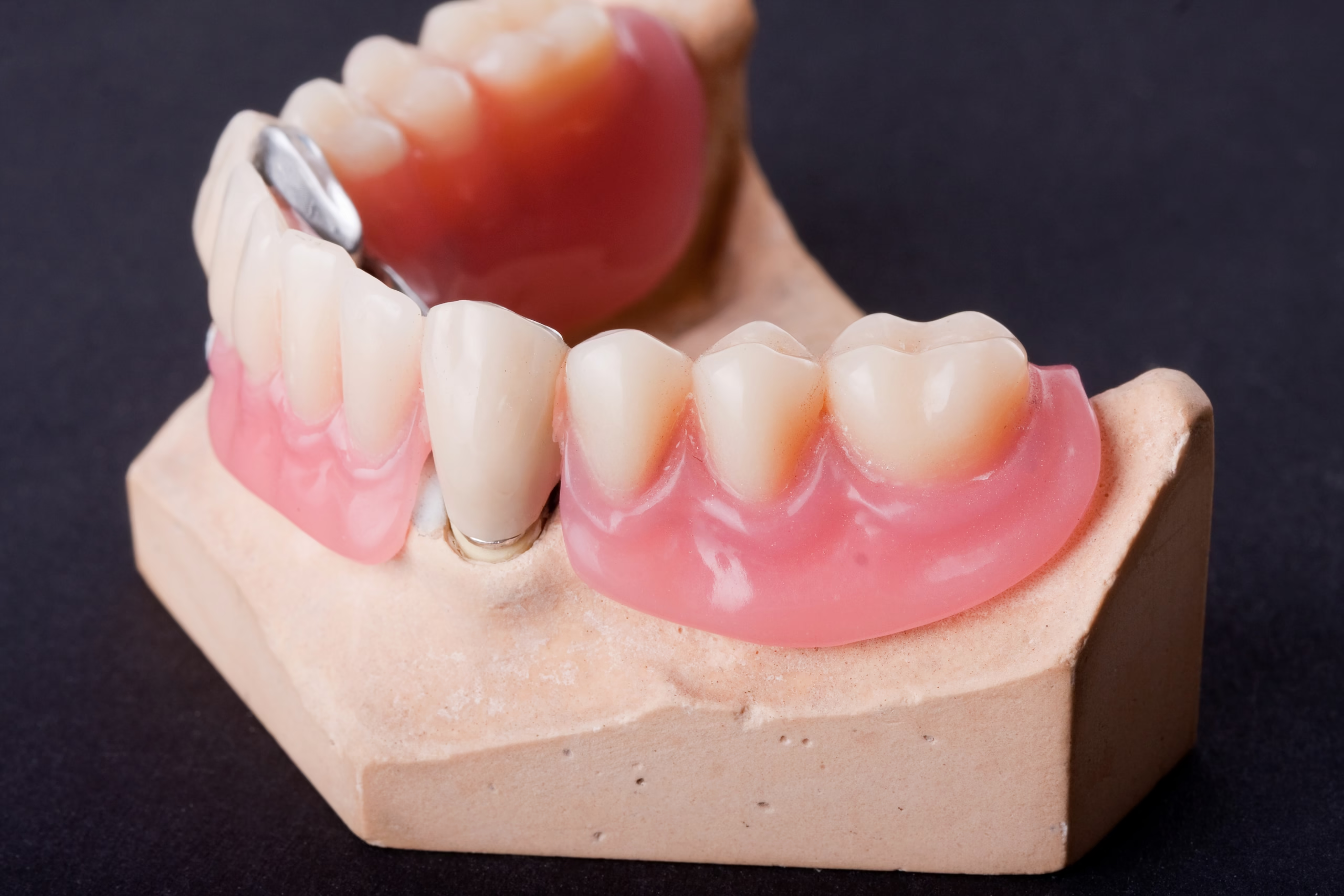
Losing teeth can feel overwhelming, but the good news is that modern dentistry offers excellent solutions to restore your smile and confidence. Two of the most popular options are dental implants and dentures, each with unique characteristics that suit different lifestyles and preferences. Understanding how each option aligns with your daily routine, personal priorities, and long-term goals can help you make a choice that truly works for you.
Understanding Your Options
When exploring tooth replacement solutions, it helps to think about what matters most in your everyday life. Both dental implants and dentures are designed to help you eat, speak, and smile comfortably, but they work in fundamentally different ways. Implants are permanent fixtures that become part of your jawbone structure, while dentures are removable appliances that rest on your gums. Neither option is inherently better than the other—what matters is which one complements your lifestyle.
The Permanent Solution Approach
Dental implants function much like natural tooth roots. Once placed, they integrate with your jawbone and support replacement teeth that look and feel remarkably natural. For people who value a set-it-and-forget-it approach, this permanence can be appealing. You care for them just like your natural teeth, brushing and flossing as part of your regular routine. There’s no need to remove them at night or use special cleaning products beyond your usual oral hygiene essentials.
This option often appeals to those with active lifestyles who don’t want to think about their tooth replacement throughout the day. Whether you’re exercising, traveling, or simply going about your daily activities, implants stay securely in place. They also allow you to enjoy all your favorite foods without worrying about dietary restrictions or adjustments to your eating habits.
The Flexible Alternative
Dentures offer a different kind of convenience that many people appreciate. As removable appliances, they give you control over your oral care routine in a unique way. You can take them out for cleaning, which some people find easier to manage than traditional brushing and flossing around permanent structures. This removability also means you can give your gums periodic breaks, which can feel refreshing.
Modern dentures have come a long way in terms of comfort and appearance. They’re designed to fit securely and look natural, helping you feel confident in social situations. For individuals who prefer a less invasive approach or want an option that can be adjusted more easily over time, dentures provide that flexibility.
Lifestyle Considerations That Matter
Your Daily Routine
Think about your typical day. Are you someone who travels frequently for work? Do you have a busy morning routine where simplicity matters? Dental implants require minimal adjustment to your existing habits—you simply brush and floss as you normally would. Dentures add a few steps to your routine, including removal for cleaning and overnight soaking, which some people embrace as a calming ritual.
Social Comfort and Confidence
Both options can help you feel comfortable in social settings, but they do so differently. Implants eliminate concerns about movement or slipping when you laugh, talk, or eat in public. Dentures, when properly fitted, also provide stability, though some people feel more conscious of them initially as they adjust to the sensation of wearing them.
Long-Term Thinking
Consider where you are in life and where you’re headed. Some people appreciate that implants are designed as a long-term solution that can last many years with proper care. Others value that dentures can be more easily modified or replaced if your needs change over time. Your current health, future plans, and personal preferences all play a role in determining which approach feels right.
Making the Choice Work for You
There’s no universal right answer when choosing between these options—only the right answer for your unique situation. Some people prioritize the convenience of permanence, while others appreciate the flexibility of removable solutions. Some value the natural feel of one option, while others focus on different factors entirely.
Your lifestyle, budget, oral health status, and personal preferences all deserve consideration. Perhaps you spend a lot of time speaking in professional settings and want the security of knowing your teeth won’t shift. Maybe you prefer having complete control over your oral care routine. Both of these perspectives are completely valid.
It’s also worth noting that some people start with one option and transition to another as their circumstances change. Dentistry continues to evolve, and what works for you today might shift as technology advances or your personal situation changes.
The journey to restoring your smile is personal. Taking time to consider how each option fits into your daily life, aligns with your values, and supports your long-term wellbeing is an investment in yourself. Think about the activities you love, the comfort level you desire, and the maintenance routine that feels manageable for your lifestyle.
Both dental implants and dentures have helped countless people regain their confidence and quality of life. The key is understanding which solution resonates with your individual needs and circumstances. There’s no need to rush this decision—gathering information, asking questions, and honestly assessing your priorities will guide you toward the choice that feels right.
Remember that professional guidance tailored to your specific situation can make all the difference in finding the solution that truly fits your lifestyle and helps you smile with confidence for years to come. When you’re ready to explore which option aligns best with your needs, reach out to our team to help you navigate this important decision.
Frequently Asked Questions
Can I switch from dentures to implants later if I change my mind?
Many people transition from dentures to implants after initially choosing removable options. Your oral health at the time of transition and how long you’ve had dentures may influence the process, so discussing timing with a dental professional can help you understand what to expect.
How soon can I return to normal activities after getting either option?
Recovery timelines vary between individuals and depend on which option you choose. Dentures typically allow for quicker adjustment to daily activities, while implants may require a healing period. Your specific situation will determine what’s realistic for your schedule.
Will people be able to tell I have tooth replacements?
Modern tooth replacement solutions are designed with a natural appearance in mind. Both options can look remarkably like natural teeth when properly fitted and maintained, helping you feel confident in any situation.
What happens if my mouth shape changes over time?
Our mouths naturally change as we age. Dentures can be adjusted or relined to accommodate these changes, while implants are more stable but may require occasional professional assessment to ensure everything remains in optimal condition.
Are there age considerations for choosing between these options?
People of various ages successfully use both implants and dentures. Your overall health, bone density, and personal circumstances matter more than age alone when determining which option suits you best.