
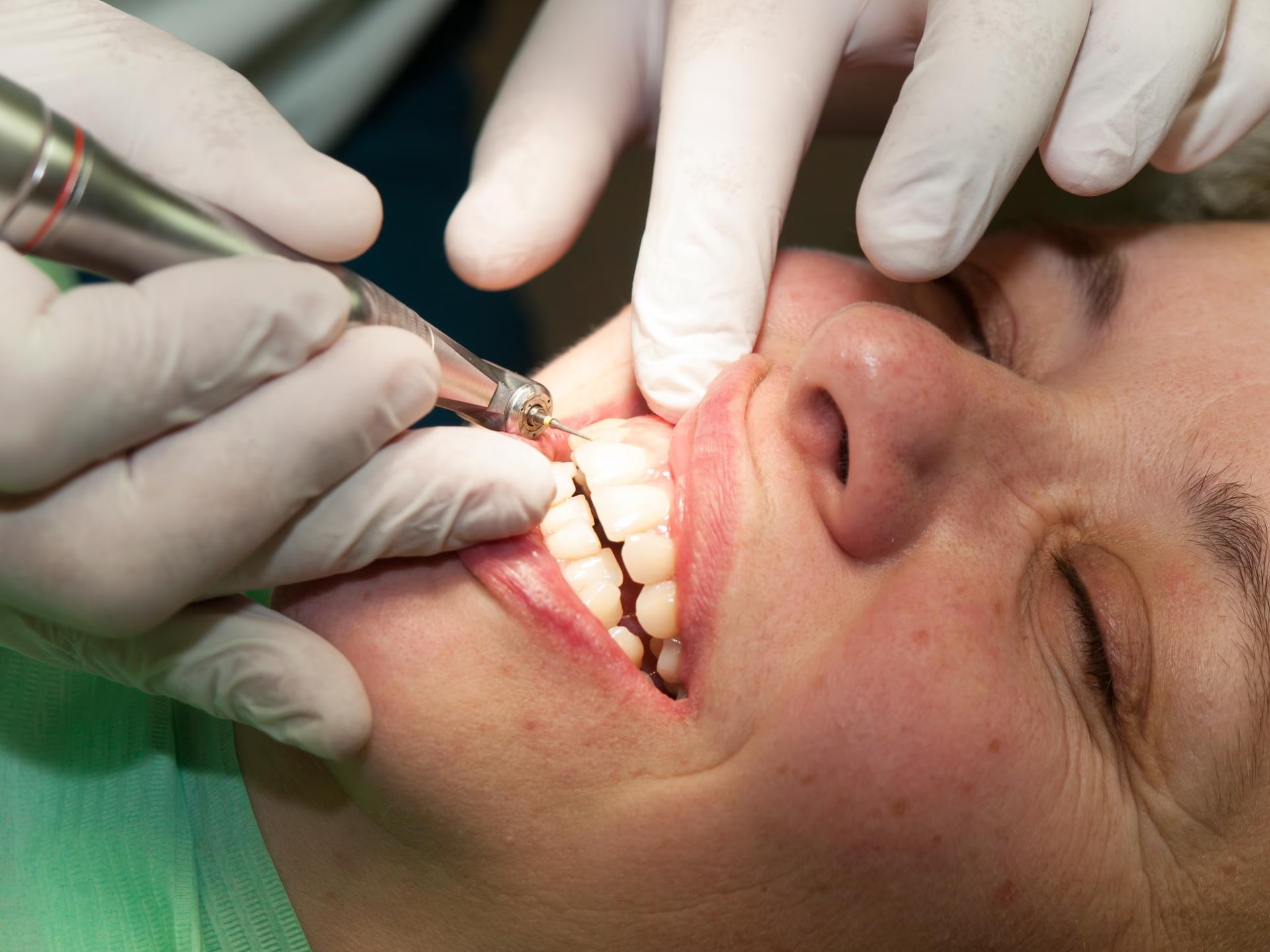
When a dentist finds a cavity, a dental filling is usually the solution to restore the tooth and keep it healthy. Fillings repair the damage caused by decay and bring the tooth back to its normal shape and function. Whether you are visiting the dentist for the first time or simply want to understand your options better, knowing what fillings are made of and how to care for them can make a real difference in your dental health journey. This guide breaks it all down in a clear, easy-to-follow way.
Dental Filling Materials: What Are Your Options?
Dentists today have access to several filling materials, and each one comes with its own set of qualities. The right choice depends on where the cavity is located, the size of the filling needed, and what works best for your lifestyle and preferences. Here is a closer look at the three most widely used options.
Amalgam Fillings
Amalgam has been used in dentistry for well over a century and remains a trusted option for many patients. It is made from a combination of metals, giving it a silver appearance. Because it is strong and resistant to wear, amalgam is often used on the back teeth where chewing pressure is greatest. It is also one of the more budget-friendly choices, making it accessible for a wide range of patients. Its strength and reliability have kept it a staple in restorative dentistry for generations.
Composite Fillings
Composite fillings are made from a tooth-coloured resin material that bonds directly to the tooth. One of the biggest draws of composite is that it can be matched closely to the shade of your natural teeth, making it nearly invisible once placed. This makes it a popular choice for cavities in the front teeth or other visible areas. For those exploring cosmetic dentistry alongside their restorative needs, composite fillings offer a way to address decay without affecting the look of the smile.
Ceramic Fillings
Ceramic fillings, often made from porcelain, are known for combining durability with a natural-looking finish. Like composites, they are designed to match the colour of the surrounding teeth, but they tend to be more resistant to staining over time. Because ceramic is a hard material, it holds up well in areas of the mouth that experience regular chewing pressure. Ceramic fillings are generally crafted to fit the tooth with great precision, and many patients find them to be a long-lasting and visually appealing option for tooth restoration.
Filling Longevity: How Long Do Fillings Last?
The lifespan of a dental filling depends on several factors, including the type of material, its location in the mouth, and how well the teeth are cared for on a daily basis. While no filling lasts forever, understanding what affects durability can help you protect your investment and keep your teeth in better shape for longer.
The Role of Material in Filling Durability
Different filling materials hold up differently over time. Amalgam fillings are often considered the most durable and tend to last for many years when placed in high-pressure areas like the molars. Composite fillings, while excellent for aesthetics, may need attention sooner in areas that experience heavy chewing. Ceramic fillings offer a strong middle ground, providing both longevity and visual appeal. Your dentist is best positioned to recommend which material will hold up based on the specific tooth and your overall oral health.
The Impact of Oral Habits on Filling Life
Daily habits play a significant role in how long a filling lasts. Grinding or clenching the teeth puts extra stress on fillings and can cause them to wear down more quickly. Eating very hard or sticky foods regularly can also affect a restoration over time. Brushing twice a day, flossing daily, and attending regular dental checkups all help keep fillings in good condition and contribute to the long-term health of your natural teeth as well.
Best Practices for Dental Filling Care
Taking care of your fillings does not require anything dramatically different from a standard oral hygiene routine. It is mostly about being consistent and mindful of the habits that support your dental health as a whole.
Daily Hygiene for Long-Lasting Fillings
Brushing with a soft-bristle toothbrush and fluoride toothpaste twice a day helps keep the area around a filling clean and free from new decay. Flossing once a day removes plaque and food debris from between the teeth, which is especially important near restored teeth. If you tend to grind your teeth at night, a custom mouthguard from your dentist can offer protection and help your fillings last longer. Limiting sugary snacks also supports a healthy oral environment overall.
Professional Care and Routine Dental Visits
Seeing your dentist regularly is one of the most important things you can do to extend the life of your fillings. During routine checkups, your dentist will examine each filling for signs of wear, cracking, or shifting. Catching a small issue early often means a simpler fix and less time in the chair. Professional cleanings also remove tartar buildup that everyday brushing cannot address, keeping your teeth and restorations in the best possible condition.
Dental fillings are a reliable and well-established way to treat cavities and restore tooth health. With options like amalgam, composite, and ceramic, there is a material suited to nearly every patient’s needs and preferences. Understanding the differences between these options, knowing what affects their lifespan, and committing to consistent care both at home and in the dental office all work together to support a healthy smile for years to come.
Reach out to our team today to learn more about your filling options and take the next step toward a healthier, more confident smile.
Frequently Asked Questions
Is it normal to feel sensitivity after getting a filling?
Some sensitivity to hot, cold, or pressure is common in the days following a filling. It usually fades on its own as the tooth settles. If it continues beyond a couple of weeks or becomes more noticeable, it is worth mentioning to your dentist at your next visit.
Can a filling crack or break?
Over time, fillings can develop small cracks from regular use, especially if they are older or exposed to a lot of biting force. Your dentist checks for this during routine exams, which is one reason why keeping those appointments is so valuable.
Are there fillings that look completely natural?
Yes. Both composite and ceramic fillings are designed to blend with the natural colour of your teeth. Many patients are surprised by how well they match, making them a great option for visible areas of the mouth.
What happens if a cavity goes without a filling?
Without treatment, tooth decay tends to progress and can reach deeper layers of the tooth over time. A filling addresses the decay early, which helps protect the tooth and keeps treatment simpler.
Can children get the same types of fillings as adults?
In most cases, yes. The type of filling recommended depends on the tooth involved, the cavity size, and other individual factors. Your dentist will walk you through the best option based on your child’s specific needs.